Small Brick-and-Mortar Businesses Are Transforming Customer Calls into Sales
March 3, 2026
Looking to AI to Improve Your Business; then small business cloud-based phone systems is often the leading choice.

For
most small brick-and-mortar firms, AI usually appears when they decide
they need to upgrade an older phone system to a more current one. The
choice often leads them down the path to a cloud-based phone system,
rather than being a separate project. When they move from a legacy key
system or PBX to cloud voice or unified communications, AI features
arrive bundled: smart IVR, intent-based routing, voicemail transcription,
and call summaries that routinely enhance how calls are handled. The main
business number can be set up with an AI virtual receptionist that
answers routine questions about hours, directions, order status, or
appointments and only forwards more complex calls to a staff member,
which reduces workload and missed opportunities.
Call analytics from
the phone platform- such as who called, why they called, sentiment, and
missed calls- then goes into CRM and marketing tools, which power
AI-personalized texts, emails, and promotions on the customer-facing
side. Because modern AI-capable phone systems integrate with POS,
booking, and ticketing applications, the system can recognize repeat
callers, pull up their history, and trigger workflows automatically
without staff retyping the information, making the phone platform the
integration between in-store AI use for service and scheduling and the
broader AI-driven marketing and analytics.

For very small companies, some cloud phone platforms are effectively doubling as “lightweight CRMs,” and in some cases replacing the need for a separate CRM tool altogether. This not only simplifies things, but reduces costs.
Modern cloud phone systems for small business now bundle features such as:
- Centralized contact records including names, numbers, and basic account information.
- Automatic logging of calls, texts, and voicemails to the customer’s record.
- Call recordings, notes, tags, and simple follow‑up tasks.
- Conversation history across phone, SMS, and sometimes chat/email.
- Basic analytics on call volume, outcomes, and agent performance.
For small companies thinking about replacing an aging phone system, the priority should choose a cloud-based platform that truly fits how they operate, not just chasing buzzwords. A well-matched cloud system can deliver AI features like virtual receptionists, call summaries, and integrations with POS or booking tools, but only if the pricing, reliability, and support are a good fit for the company’s size, call volume, and staff. Owners should evaluate their real-world needs—number of locations, peak call times, and dependence on walk-in vs. phone traffic—and then compare vendors on integrations, and total cost of ownership over five to seven years. The right cloud-based system becomes an adaptable foundation: it lets a small business adopt AI at its own pace while ensuring that day-to-day calls remain simple, dependable, and easy for staff to manage.
Want to learn more?
In this review we'll take a more thorough look at what Talkroute has to offer and help you decide if it's the right fit for your business. Talkroute Review
Articles that may be of interest to you:
 These
"Best
Cheap Virtual Business Phone Systems" are notable to include advanced AI
features that streamline customer interactions at very affordable prices.
These
"Best
Cheap Virtual Business Phone Systems" are notable to include advanced AI
features that streamline customer interactions at very affordable prices.
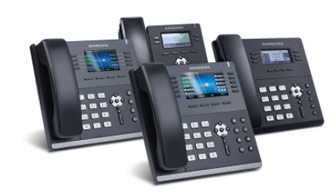 Currently
there are many outstanding reconditioned On-premise PBX Systems that are
low in price and will last for many years.
Currently
there are many outstanding reconditioned On-premise PBX Systems that are
low in price and will last for many years.